
Volvo Platforms
A Volvo platform refers to a shared engineering base used across multiple car models. It includes the underlying structure—such as the chassis, suspension design, engine layout, and many mechanical components—that different vehicles are built on.
In Volvo’s case (e.g., P1, P2, P3), a platform groups together cars from a certain era that share many parts and design principles. This approach allows Volvo to reduce development costs, streamline production, and enable parts compatibility between models.
In short, a Volvo platform is a common architectural foundation that defines how a range of cars are built and how they relate to each other.
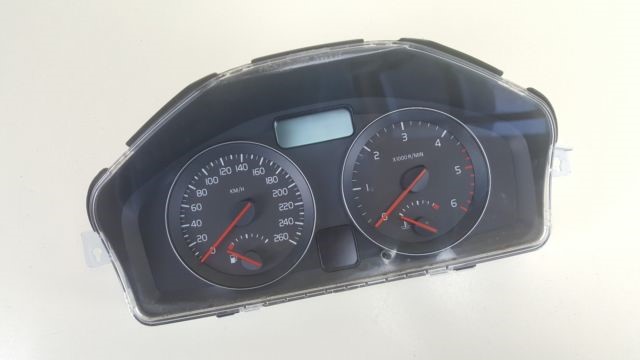
The year of production ranges from approximately 2004 to 2013. These models are easily identified by the dashboard (DIM), which looks like the following photo:
P1 - Platform 1
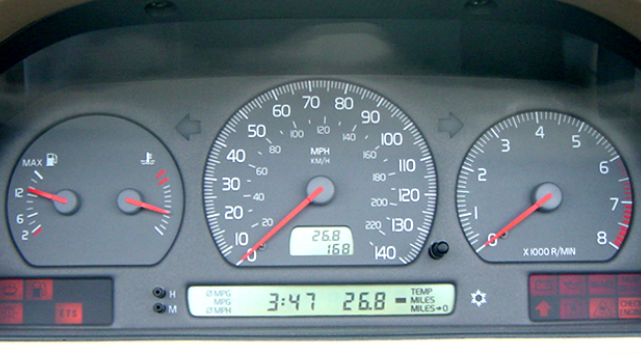
The year of production ranges from approximately 1998 to 2014. These models are easily identified by the dashboard (DIM), which looks like the following photo:
P2 - Platform 2
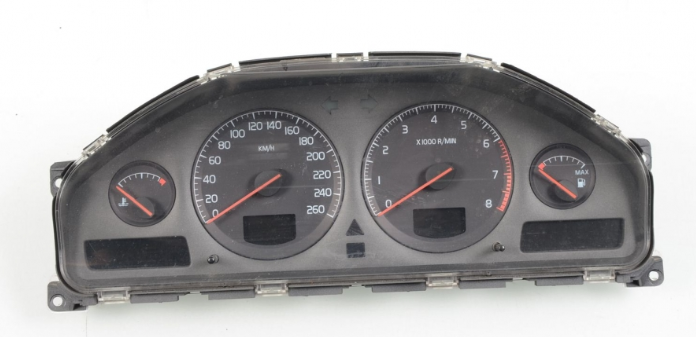
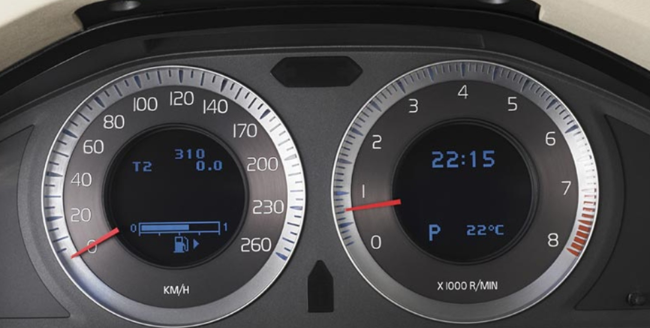
The year of production ranges from approximately 2007 to 2018. These models are easily identified by the dashboard (DIM), which looks like the following photo: Or if the year of production is 2014 or above, the dashboard can be MONO or TFT, which looks like the following photo:
P3 - Platform 3 (EuCD)
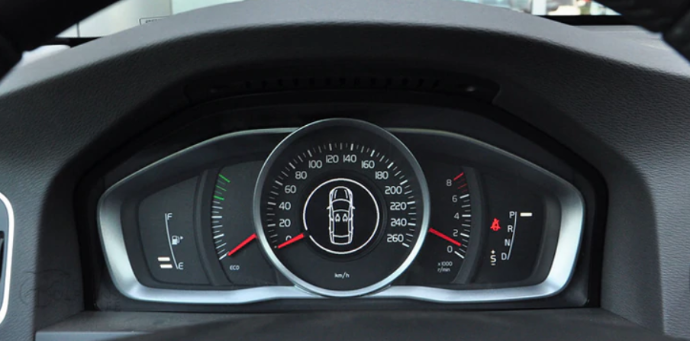
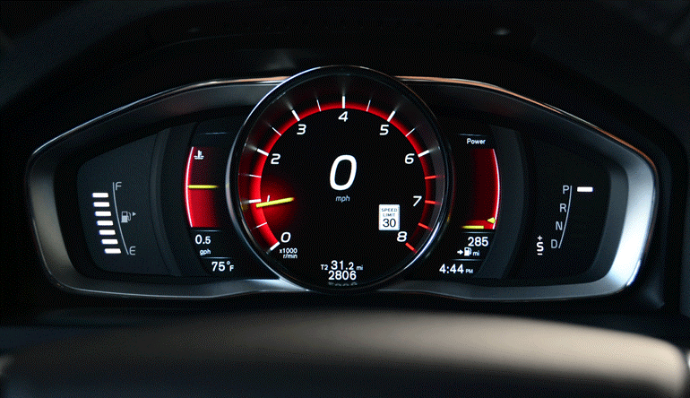
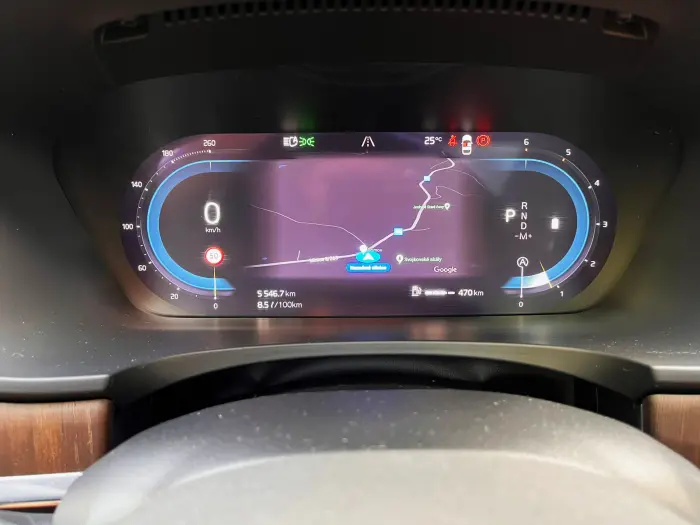
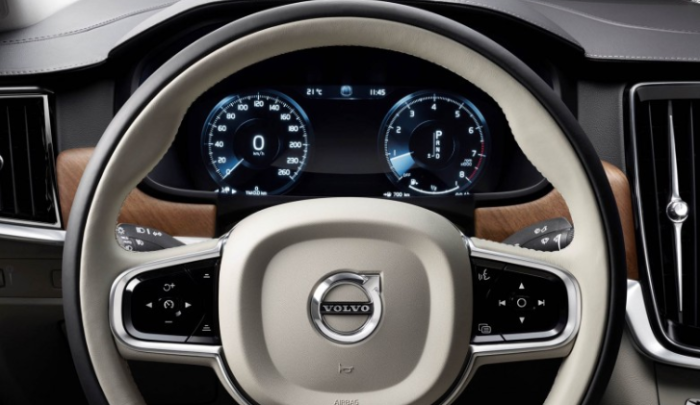
The year of production ranges from approximately 2015 to today. These models are easily identified by the dashboard (DIM), which looks like the following photo:
SPA / CMA
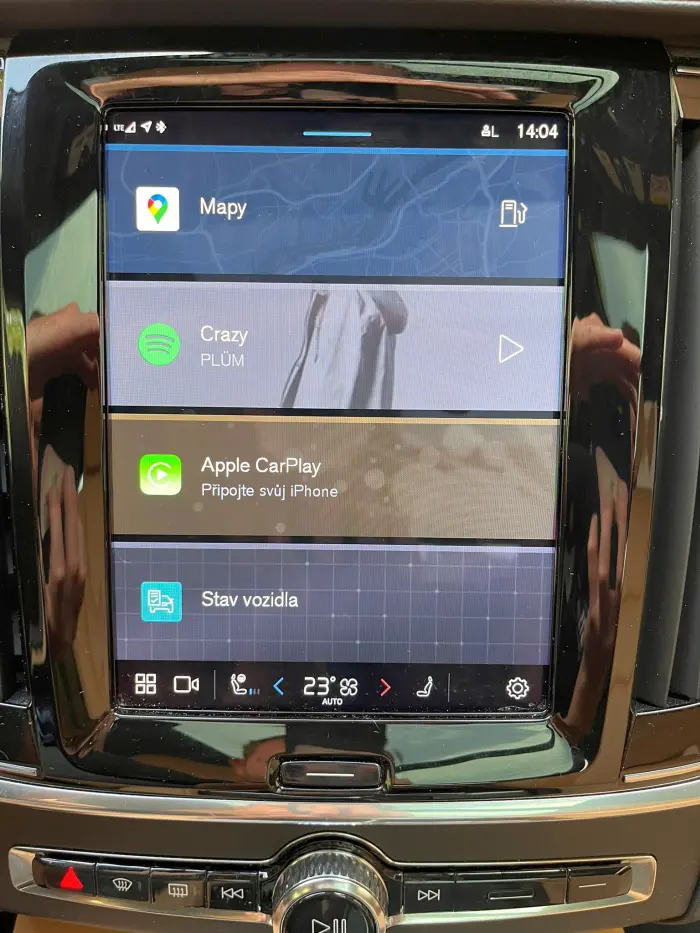
Fully electric vehicles. The year of production ranges from approximately 2021 to today. These models are easily identified by the dashboard (DIM) and infotainment system (IHU), which looks like the following photo:
SPA / CMA - iCUP / Android - Infotainment Connectivity Unit Program